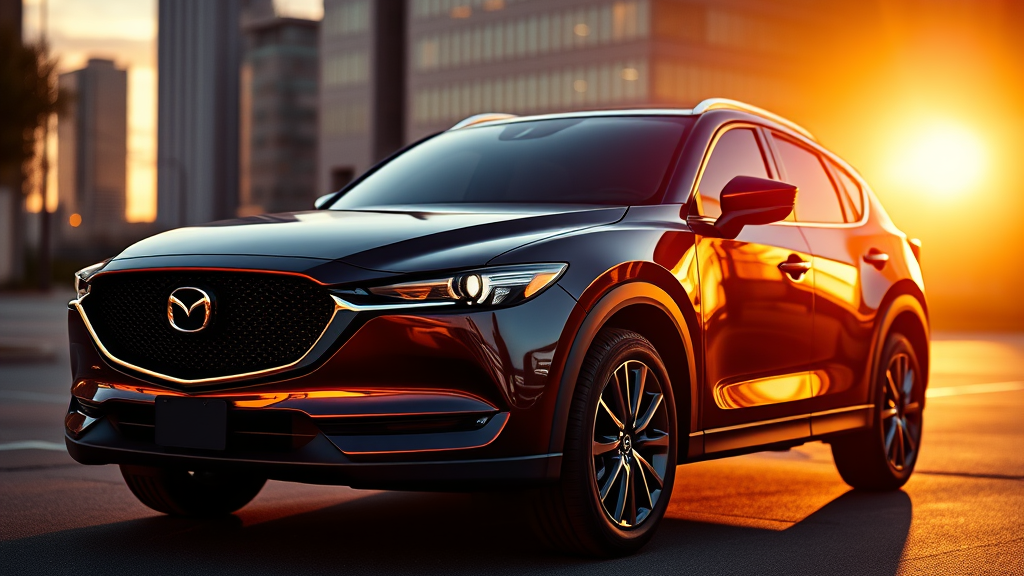
• The new cars to watch for in the 2026 model year marks a turning point for the auto industry. Automakers are moving faster toward electrification, refining hybrids, and redesigning proven models to match how people actually drive today. If you plan to buy a car soon or research future options, these five vehicles deserve your attention.

    1. Toyota Camry Reinvents the Everyday Sedan

    Toyota continues to modernize the Camry by focusing on efficiency, smart technology, and everyday comfort. For 2026, the brand emphasizes hybrid power and improved fuel economy while preserving the reliability that made the Camry a staple among midsize sedans.

    Drivers who value a calm, efficient commute and long-term ownership benefits will find this next-generation Camry especially appealing. It proves that sedans still offer practical advantages in a market dominated by crossovers.

    Silver 2026 Toyota Camry crusing down a business street

    2. Tesla Targets a More Affordable Electric Future

    Tesla plans to expand its reach with a smaller, lower-cost electric vehicle aimed at first-time EV buyers. This upcoming model prioritizes simplicity, urban usability, and accessible pricing while maintaining Tesla’s signature technology and charging ecosystem.

    For drivers who want to transition to electric driving without stretching their budget, this vehicle could become one of the most influential releases of 2026.

    New 2026 white Tesla Model 2 parked on a pull-off on a canyon road

    3. Honda CR-V Hybrid Delivers Balanced Versatility

    Honda builds on the CR-V’s success by refining its hybrid option for 2026. Expect improved fuel efficiency, a more intuitive interior layout, and updated safety features designed for daily driving.

    This compact SUV suits drivers who juggle commuting, family needs, and weekend travel. Its ability to handle multiple roles makes it a strong choice for buyers who want one vehicle that fits many lifestyles.
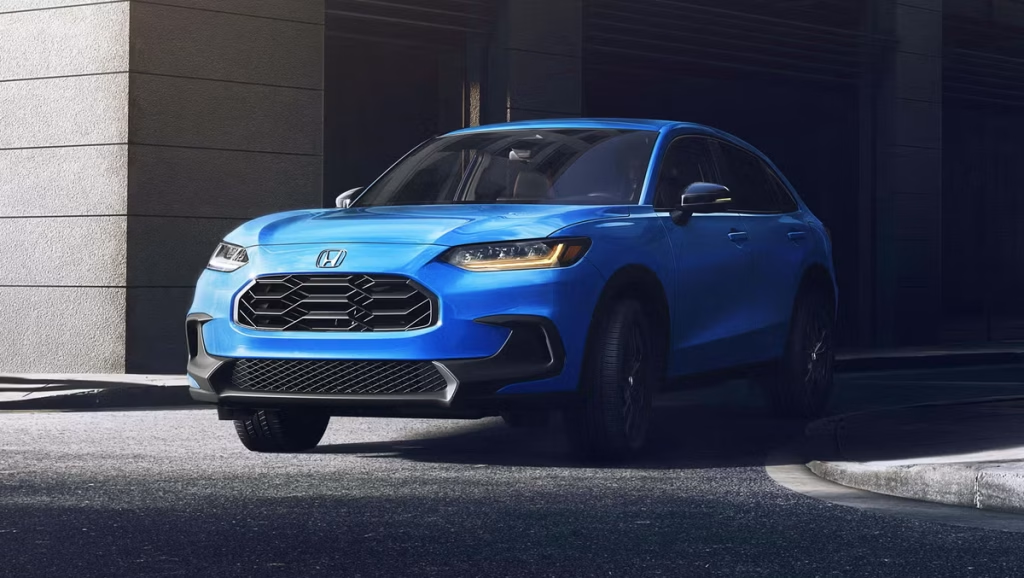
    Stunning blue 2026 Honda HR-V parked i the shadows

    4. Ford Mustang Mach-E Pushes Electric Performance Forward

    Ford continues to evolve the Mustang Mach-E with updates that improve driving range, performance tuning, and software integration. Rather than chasing gimmicks, Ford focuses on making the Mach-E more engaging and usable year after year.

    Drivers who want an electric vehicle that feels dynamic without sacrificing space or comfort will likely keep the Mach-E high on their list as 2026 approaches.

    All new black 2026 Ford Mach-E still photo

    5. Subaru Outback Stays Ready for the Road Ahead

    Subaru refreshes the Outback to meet the demands of drivers who expect capability in all conditions. The 2026 model brings updated safety technology, refined styling, and efficiency improvements while maintaining standard all-wheel drive.

    This vehicle appeals to drivers who prioritize confidence, practicality, and the freedom to travel beyond paved roads. The Outback continues to attract buyers who value function over flash.

    2026 Blue Subaru Outback crossing a rugged pass of rock in a remote camp-site

    What These Cars Reveal About 2026 Buyers

    These upcoming vehicles reflect a clear shift in buyer priorities. People want cars that match their habits, values, and daily routines—not just the latest trend. Automakers now design vehicles around efficiency, flexibility, and real-world use instead of pure size or horsepower.

    Choosing the right car increasingly depends on understanding how you drive and what you expect from your vehicle. Buyers who focus on fit rather than hype often end up more satisfied over time.


    Final Takeaway

    The 2026 lineup highlights smarter design, improved efficiency, and better alignment with modern lifestyles. Whether you lean toward practicality, innovation, or adventure, these five vehicles show where the market is headed next. We hope you are as excited as we are about the top new cars to watch for in 2026. If not, take our vehicle personality quiz to find your best match!

  • The global car market is undergoing one of the biggest transformations in its history. By 2026, changes in electric vehicles, car prices, interest rates, supply chains, and consumer buying behavior will significantly shape how people buy and own cars. Whether you’re planning to buy new, shop used, or simply follow automotive trends, understanding what’s coming is essential.

    This guide breaks down what to expect for the car market in 2026 and how buyers can prepare.

    The Overall Outlook for the 2026 Car Market

    By 2026, the car market is expected to stabilize compared to the volatility seen earlier in the decade. Supply chain disruptions, extreme dealer markups, and inventory shortages should largely be resolved. However, that does not mean prices will return to pre-2020 levels.

    Key themes for the 2026 auto market include:

    • More stable vehicle inventory
    • Continued rise of electric vehicles (EVs)
    • Slower depreciation normalization
    • Increased technology and software integration
    • More cautious consumer spending

    New Car Prices in 2026

    Will New Car Prices Go Down?

    US annual new vehicle sales trends illustrating changes in the car market in 2026, chart provided by Edmunds

    New car prices in 2026 are expected to plateau rather than drop significantly. While manufacturers will offer more incentives than in previous years, rising production costs, technology upgrades, and regulatory requirements will keep prices elevated.

    Factors influencing new car prices:

    • Advanced driver-assistance systems becoming standard
    • Increased electrification
    • Higher labor and material costs
    • Emissions and safety regulations

    Buyers can expect more discounts and financing options, but not dramatic price cuts.

    Used Car Market Trends for 2026

    The used car market in 2026 should be far healthier than in recent years. Inventory levels are expected to normalize, giving buyers more options and negotiating power.

    What to expect in the used car market:

    • Slower price growth or slight declines in some segments
    • Better availability of off-lease vehicles
    • Strong demand for reliable, fuel-efficient models
    • Continued strength in the SUV and truck segments

    Certified pre-owned vehicles will remain popular as buyers seek warranties and value.

    EV Market Growth and Consumer Adoption in 2026

    Electric vehicles will play a much larger role in the 2026 car market. Automakers are expanding EV lineups across sedans, SUVs, and trucks, while hybrid vehicles continue to attract buyers who want efficiency without full electrification.

    EV trends to watch:

    • Improved battery range and charging speeds
    • More affordable EV models entering the market
    • Expanded charging infrastructure
    • Increased competition lowering long-term ownership costs

    Hybrids are expected to remain a key transition option for consumers hesitant to go fully electric.

    Interest Rates and Auto Financing in 2026

    Interest rates will continue to be a major factor in the car market. By 2026, rates are expected to be more predictable, though not necessarily low.

    Auto financing trends:

    • Longer loan terms becoming more common
    • Incentives shifting toward manufacturer-backed financing
    • Higher importance of credit scores in loan approvals

    Buyers who prepare financially and shop loan offers carefully will have a clear advantage.

    Technology and Features Shaping Cars in 2026

    Software, Connectivity, and Automation

    Cars in 2026 will be more technology-driven than ever. Software updates, subscription-based features, and connected vehicle ecosystems will become standard across many brands.

    Key technology trends:

    • Over-the-air software updates
    • Subscription services for performance and comfort features
    • Advanced driver assistance becoming standard equipment
    • Greater integration with smartphones and smart home systems

    Consumers will increasingly evaluate cars not just as machines, but as digital platforms.

    How Consumers Should Prepare for the 2026 Car Market:

    Smart Buying Strategies

    To navigate the 2026 car market successfully:

    • Research total ownership costs, not just purchase price
    • Compare new, used, and certified pre-owned options
    • Stay informed about EV incentives and charging access
    • Be flexible with brands and models
    • Time purchases around incentive cycles

    Preparation and patience will be key advantages.

    Final Thoughts on the 2026 Car Market

    The car market in 2026 will be more balanced, more technology-focused, and more electrified than ever before. While prices may not return to historic lows, buyers will benefit from better availability, increased choice, and more transparent pricing.

    Understanding these trends will help consumers make smarter decisions and get the most value in a rapidly evolving automotive landscape.

    You can start your car-buying search by talking our vehicle personality quiz to find out which vehicles match your preference, lifestyle, and budget

    Happy New Year from the team here at Automatchme.com, thank you for inspiring us to provide information that is crucial to help consumers make the right decisions when it comes to buying their next car.

  • What is the best time of year to buy a car? December and January are the two months that come up most often. Both can offer real savings, but they work for different reasons. Knowing how dealer incentives, inventory, and buyer demand change between December and January can help you choose the month that saves you the most money.

    This guide breaks down December vs January car buying so you can decide which one makes the most sense for your situation.


    Why Timing Matters When Buying a Car

    Car prices are driven by more than just MSRP. Dealerships follow strict sales goals, manufacturers adjust incentives by the month, and inventory changes quickly around the end of the year. That’s why searches like “best month to buy a car” and “December vs January car deals” spike every winter.

    The key difference between December and January is urgency versus reset.


    Buying a Car in December

    December is widely considered the best month to buy a car, mainly because dealerships are trying to close the books on the year.

    Car dealership decorated for Christmas deals

    Why December Can Save You More

    Dealers are under pressure to hit monthly, quarterly, and annual sales targets. This often leads to:

    • Stronger price negotiations
    • Greater willingness to discount vehicles
    • Easier approval for dealer concessions

    Manufacturers also tend to offer aggressive holiday incentives in December. These can include cash rebates, special financing, and lease deals that disappear once the year ends.

    December is also when dealers try to clear out current model year inventory. If you’re comfortable buying a vehicle that will technically be “last year’s model” in a few weeks, the savings can be significant.

    Downsides of Buying in December

    Inventory is often limited, especially for popular trims, colors, and configurations. Dealerships are also busier, particularly during the last week of the year, which can make the process feel rushed.


    Buying a Car in January

    January offers a different kind of opportunity. While incentives may not be as flashy, the buying experience is often easier.

    Car dealership decorated for new year deals

    Why January Still Makes Sense

    Dealerships are typically quieter in January, which gives buyers more time and attention during negotiations. This can be appealing if you want a low-pressure experience.

    January is also a strong month for buying leftover vehicles from the previous model year. Once the calendar flips, these cars lose some appeal on paper, even though they are still new. Dealers may reduce prices further to move remaining inventory.

    Downsides of Buying in January

    Many holiday rebates and special financing offers expire at the end of December. That means fewer manufacturer-backed incentives, especially on current model year vehicles. Dealers also feel less urgency since the sales year has just started.


    December vs January: Quick Comparison

    December favors buyers who are focused on maximum discounts and are flexible with selection. January favors buyers who want a calmer experience and are open to purchasing a leftover model.

    December usually offers:

    • Higher dealer motivation
    • Stronger manufacturer incentives
    • Better pricing late in the month

    January usually offers:

    • Less competition from other buyers
    • Easier negotiations
    • Better opportunities on leftover inventory

    When Exactly Should You Buy?

    Timing within the month matters almost as much as the month itself.

    In December, the final week of the year, especially the last few days, tends to offer the most leverage. In January, weekdays and mid-month visits often provide the best balance between pricing and availability.


    Final Answer: December or January?

    If your goal is to get the lowest possible price and you’re ready to move quickly, December is usually the best time of year to buy a car. If you prefer a smoother, less stressful buying process and are open to previous model year vehicles, January can still deliver solid savings.

    Both months can work in your favor. The best choice depends on how flexible you are, what vehicle you’re shopping for, and how comfortable you are negotiating.

    While timing is important, it is crucial to be well-read and informed of your potential options. If you don’t know where to start, you can take our vehicle matchmaking quiz to find the right car.

    Your dream car silhouetted against the sunset
  • If buying a car feels exhausting, you’re not imagining it.

    The modern car buying process is longer, more complicated, and more overwhelming than ever. What should be an exciting purchase often turns into weeks of research, multiple dealership visits, and endless second-guessing. Many buyers don’t end up with the car they truly wanted — they settle simply because they’re tired of searching.

    At AutoMatchMe, we believe the problem isn’t too few options.
    It’s too many options and too much time wasted choosing between them.


    How Long Does the Average Car Buying Process Take?

    Research shows that the average car buyer spends nearly 15 hours researching and purchasing a vehicle. That time includes browsing online listings, comparing features, reading reviews, visiting dealerships, negotiating, and completing paperwork.

    Most shoppers also visit multiple websites and multiple dealerships before making a decision. While buyers expect the process to be quick, studies show the in-person dealership experience alone often takes twice as long as consumers think it should.

    The result is a long, fragmented journey that leaves buyers frustrated and mentally drained before they ever sign the paperwork.


    Why Car Shopping Takes So Long

    Too Much Research Up Front

    Car buyers are expected to know everything before they walk into a dealership. Pricing, trims, reliability, financing, and resale value all require research. Instead of helping buyers decide faster, most car search websites encourage endless browsing and comparison.

    Too Many Choices

    Having more options does not lead to better decisions. In fact, behavioral research consistently shows that too many choices create decision fatigue. When buyers are overwhelmed, they are more likely to delay decisions — or make rushed ones just to be done.

    Multiple Dealership Visits

    Even after narrowing down options online, buyers often visit several dealerships. Each visit takes time, energy, and negotiation effort, further extending the car buying process.

    Over time, confidence drops and frustration rises. That’s when people stop searching for the right car and start settling for one that’s “good enough.”


    The Real Problem With Traditional Car Search Websites

    Most car buying websites are built around search, not decision-making.

    They show thousands of listings, endless filters, and side-by-side comparisons. While that seems helpful, it often leads to:

    • Overanalysis
    • Constant second-guessing
    • Longer buying timelines
    • Lower satisfaction after purchase

    The longer the search drags on, the more likely a buyer is to abandon their original preferences and choose whatever ends the process fastest.


    How AutoMatchMe Shortens the Car Buying Process

    AutoMatchMe was created to eliminate the longest and most frustrating part of car buying: figuring out what you should actually buy.

    Instead of starting with inventory, AutoMatchMe starts with you.

    Personality-Based Vehicle Matching

    Our quiz evaluates lifestyle, driving habits, priorities, and budget comfort to match buyers with vehicles that genuinely fit their needs. This eliminates hours of research before it even begins.

    Fewer, Better Options

    Rather than overwhelming buyers with hundreds of cars, AutoMatchMe delivers a short list of best-fit matches. This reduces decision fatigue and increases confidence.

    Faster, More Confident Decisions

    By the time a buyer connects with a dealer, they already know what works for them. That means fewer dealership visits, shorter negotiations, and a smoother overall experience.


    Why AutoMatchMe Is the Best Way to Buy a Car Today

    AutoMatchMe is not another car search engine. It’s a decision-making platform designed to help people buy the right car faster.

    • It reduces research time
    • It limits unnecessary comparisons
    • It prevents buyer burnout
    • It helps shoppers avoid settling

    Most people don’t need more listings. They need clarity.


    Stop Searching. Start Matching.

    The average car buying process takes nearly a full day of your life — and often much longer. Many buyers walk away unsure if they made the right choice, simply because the process wore them down.

    AutoMatchMe exists to change that.

    If you want to spend less time searching, avoid decision fatigue, and buy a car you actually feel confident about, AutoMatchMe is the faster way forward.

    Take the AutoMatchMe quiz and find your match — before burnout does.

  • Is The EV Phase Over? A 2025 Reality Check

    Red tesla parked on the roadside at night as traffic passes by

    As debates intensify around EV demand and policy, many wonder whether the electric vehicle phase is ending. This article examines the most recent data through December 10, 2025 to determine whether EVs are slowing, stabilizing, or entering a new phase of growth.

    Introduction

    Electric vehicles have been the centerpiece of transportation innovation for more than a decade, but 2025 has brought mixed messages. Headlines about policy rollbacks, falling incentives, and a resurgence of combustion engines have created uncertainty.

    While EV sales are slowing in some regions, prices for used cars remains unusually high. Our blog on why used cars still cost so much in 2025 explains the market forces behind this trend.

    So is the EV phase over? Based on the latest data, the answer is no — but the landscape is changing. The global EV market is transitioning from a subsidy-driven boom to a more stable, demand-driven era.

    Global EV Phase data: Still Growing, But More Slowly in Some Markets

    The International Energy Agency (IEA) reported that global EV sales exceeded 17 million units in 2024, a year-over-year increase of roughly 25 percent. Early data for 2025 indicates continued expansion, not contraction.

    Rho Motion data shows that EV sales rose to 9.1 million vehicles globally in the first half of 2025, an increase of nearly 28 percent compared to the same period in 2024.
    This is unmistakable growth, even if uneven across regions.

    China and Emerging Markets

    China continues to dominate global EV sales, representing more than half of global volume. Growth remains strong due to competitive pricing, domestic production scale, and improved charging access.
    Emerging markets, especially South America and Southeast Asia, are also contributing to global EV adoption as affordability improves.

    Europe

    Europe remains a major EV market but has experienced slower momentum in 2025. Reuters reports that efforts to dilute EU emissions rules and taper subsidies have introduced uncertainty for both buyers and automakers.
    That said, EV market share in countries with strong incentives (Norway, the Netherlands, parts of Germany) remains high.

    United States and North America EV Phase data

    North American EV growth in 2025 has not kept pace with global averages. Ars Technica reported only 6 percent year-over-year growth in EV sales, compared to more than 25 percent globally.

    Headline risk is playing a major role. Several articles have incorrectly claimed there is an outright collapse in EV interest, though sales data contradicts this narrative.

    Q1 2025 EV Growth chart from Coxe Automotive

    Why Some Believe the EV Phase Is Ending

    Reduction of Incentives

    Many countries are scaling back EV subsidies as adoption grows, shifting more financial responsibility to consumers. This has a temporary cooling effect, particularly in markets where incentives were heavily relied upon.

    Infrastructure Gaps

    Charging infrastructure growth has not kept pace with vehicle adoption in some regions, causing range anxiety and slowing mainstream adoption.

    Hybrid Resurgence

    Plug-in hybrids and traditional hybrids have regained popularity in 2025, especially among consumers who are uncertain about charging reliability.
    Reuters recently noted that combustion engine sales have also rebounded slightly in some markets.

    Market Saturation Among Early Adopters

    In many regions, early adopters have already transitioned to EVs. The next wave of consumers is more price-sensitive and more cautious about infrastructure constraints.

    What the Data Really Suggests

    Despite some high-profile challenges, the EV industry is not shrinking. It is stabilizing into a more mature growth phase.

    • Global EV adoption remains strong and continues to rise year over year.
    • Market diversity is increasing, with lower-cost models emerging in developing markets.
    • Automakers are adjusting strategies — not abandoning EVs — after realizing that the next chapter of growth requires affordability and infrastructure reliability.
    • Policy landscapes continue to evolve rather than disappear.

    This transition may feel slower, but it is more sustainable than the early hype cycle.

    Key Factors That Will Shape EV Adoption in 2026 and Beyond

    Regulatory Direction

    Whether governments strengthen or loosen emissions standards will significantly influence EV sales. Ongoing debates in the EU and U.S. will be critical in 2026.

    Battery Innovation

    Advances in battery energy density, charging speed, and cost reduction will play a pivotal role. Solid-state batteries and refined lithium-iron-phosphate (LFP) technologies are expected to become more common.

    Charging Infrastructure

    Reliable, widespread fast charging remains the most important variable for mainstream adoption. Investment levels in 2026 will shape regional growth trajectories.

    Market Competition

    Chinese automakers have reshaped global EV pricing. If tariffs or restrictions shift in 2026, global affordability dynamics may change rapidly.

    So, Is the EV Phase Over?

    No. The EV phase is not over. It is entering a new, more rational era driven by practical demand rather than subsidies and hype. Growth patterns vary dramatically from region to region, but global EV adoption continues to rise steadily.

    The future of EVs will depend less on early adopters and more on affordability, infrastructure, and real-world value. In that sense, 2025 marks not the end of the EV phase, but the beginning of its next chapter.

  • Top 5 Most Reliable Cars to Buy Right Now

    When you’re shopping for a used car, nothing matters more than reliability. Whether you’re commuting to work, driving kids around, or counting on your vehicle day in and day out, you want one that won’t leave you stranded or cost a fortune in repairs. Based on recent dependability data, maintenance history, and owner satisfaction, these five cars stand out as some of the best-balanced, trouble-free rides on the market right now.

    1. Toyota Camry (Sedan)

    If you want a sedan that just works — year after year — the Camry is about as close as it gets. The brand behind it, Toyota, is consistently ranked among the top for reliability. CarMax+2The Street+2

    • Strong track record for long-term durability and low maintenance costs.
    • Great resale value and widely available parts.
    • Comfortable ride quality, good fuel economy, and enough features to make it a good “everyday car.”

    If you want a dependable daily driver that won’t break the bank to maintain — Camry should be at the top of your list.


    2. Honda CR‑V (Compact SUV / Crossover)

    For those who prefer an SUV rather than a sedan — but still want reliability — Honda’s CR-V delivers that blend of practicality and long-term peace of mind. The broader Honda lineup also earns high marks for reliability. CarMax+2The Street+2

    • Good for families, daily commuting, or light adventures — with adaptable cargo space and solid fuel efficiency.
    • Known for mechanical dependability, especially if you keep up with regular maintenance.
    • Balanced combination of comfort, utility, and long-term ownership value.

    If you want one vehicle that does “a little bit of everything” — from errands to road trips — CR-V is a smart bet.


    3. Subaru Forester (All-Wheel-Drive SUV / Crossover)

    Need something that handles a variety of weather and road conditions — maybe snow, mountains, or rougher terrain? The Forester from Subaru brings reliability plus versatility. Recently Subaru ranked very highly in reliability surveys for its entire lineup. Motor1.com+2Visual Capitalist+2

    • Standard all-wheel drive adds security and performance, especially in regions with weather or hilly terrain.
    • Known for ruggedness and durability — good for longer journeys, outdoor adventures, or mixed driving conditions.
    • Offers good resale value, solid owner satisfaction, and dependable performance over time.

    For someone who wants reliability and flexibility, Forester is a top-tier choice.


    4. Mazda CX‑5 (Crossover SUV)

    If you want a stylish, well-rounded SUV that doesn’t sacrifice reliability or driving experience — CX-5 from Mazda nails that balance. Mazda consistently ranks among the top reliable brands in recent reviews. AutoGuide+2Visual Capitalist+2

    • Smooth handling and good build quality while retaining SUV versatility.
    • Often praised for reliability, especially in the newer generation CX-5 models.
    • Ideal if you want something more refined than a basic SUV but still rugged enough for everyday use.

    If you value style, comfort, and reliability — not just “getting from A to B” — CX-5 may be the car for you.


    5. Lexus RX (Luxury / Mid-Size SUV)

    Maybe you want something that feels a bit more upscale — but still isn’t going to cost a mountain of money in maintenance. That’s where the RX from Lexus shines. Lexus ranks consistently at the top of reliability and owner satisfaction studies. Brand Vision+2The Street+2

    • Luxury-car comfort and amenities with dependability often associated with mainstream brands.
    • Quiet, refined ride with strong long-term durability — a good choice for those who want comfort and reliability.
    • Solid resale value and strong track record for longevity when maintained properly.

    If you want a premium feel without the drawbacks often associated with luxury cars — this hits the sweet spot.


    What “Reliability” Really Means — And Why It Matters

    When you’re buying a used car that’s only a few years old, “reliable” doesn’t just mean “hasn’t broken down yet.” It means:

    • Lower chance of surprise repairs or major mechanical failures
    • Affordable maintenance and repair costs
    • Good resale value years down the line
    • Comfortable driving experience without constant hassle

    In other words, reliability = peace of mind. You’re not just buying wheels — you’re buying freedom, consistency, and fewer headaches.

    Take our vehicle match-making quiz before you buy your next vehicle to ensure you never over-pay and under-buy again!

  • How does APR actually work? When you finance a vehicle, the APR (annual percentage rate) is one of the most important numbers you’ll see. It determines how much you pay to borrow money—and over the life of a car loan, that can mean hundreds or even thousands of dollars saved or lost.

    But most buyers don’t actually know what determines their APR. It isn’t random, and it isn’t just based on your credit score. In fact, lenders look at three major factors before deciding your interest rate.

    Here’s the simple breakdown.


    Your Credit & Financial Profile

    This is the biggest factor in determining your APR. Lenders use your financial history to measure how risky it is to loan you money. The higher the risk, the higher the rate.

    What lenders look at:

    • Credit score
    • Payment history
    • Debt-to-income ratio (DTI)
    • Previous auto-loan performance
    • Income and employment stability

    Why it matters:

    If you’ve shown lenders that you consistently pay your bills on time and manage debt responsibly, you get rewarded with a lower APR. If your credit shows late payments, high balances, or limited history, lenders charge more to protect themselves.

    Bottom line:

    Better credit = lower interest.

    Riskier credit = higher interest.


     The Loan Structure

    Even with the same credit score, your APR can change based on how the loan is set up.

    The loan structure includes:

    • Loan term (length of the loan)
    • Down payment
    • Loan-to-value ratio (LTV)
    • Amount financed

    Why this matters:

    • Shorter terms (36–48 months) typically get lower APRs because the lender gets their money back faster.
    • More money down or a lower LTV reduces the lender’s risk—meaning a better rate.
    • High LTV (like financing taxes, fees, or negative equity) usually leads to a higher APR.

    You can have great credit and still receive a higher interest rate simply because of the term or structure you choose.

    Bottom line:

    Safer loan structure = lower APR.

    Risky structure = higher APR.


     The Car You’re Buying & The Lender You Choose

    The vehicle itself—and who you borrow from—also affects your rate.

    Car Factors:

    • New cars usually get lower APRs
    • Used cars get higher APRs
    • Very old or high-mileage cars may get the highest APRs or be ineligible for certain lenders

    This isn’t about depreciation—it’s about collateral risk. Lenders prefer newer vehicles because they last longer, have fewer unknowns, and hold value better as security.

    Lender Factors:

    Different lenders offer different baseline rates:

    • Credit unions → lowest average APR
    • Banks → moderate APR
    • Dealership lenders → can offer promotions but often mark up rates

    A buyer with the same credit score and same car can get totally different APRs depending on who they finance with.

    Bottom line:

    Newer cars + better lenders = lower APR.

    Older cars + riskier lenders = higher APR.


    The Simple Summary

    Your APR is determined by three things:

    1. You – Your credit, financial history, and overall risk

    2. The Loan – Term length, down payment, and how the loan is structured

    3. The Car & Lender – What you’re buying and who you’re borrowing from

    Master these three factors, and you’ll always understand why you got the rate you did—and how to get a better one next time.

  • Many buyers expected used car prices to fall back to normal by 2023 or 2024. Instead, 2025 arrived and used vehicles are still far more expensive than they were before the pandemic. Here’s why the market remains elevated, backed by real data from the past five years.


    The Missing Inventory Problem

    The biggest reason used cars remain expensive in 2025 is simple: there are not enough of them.

    From 2020 to 2022, new-vehicle production slowed dramatically due to global chip shortages and supply chain disruptions. Fewer new cars sold in those years means fewer 1- to 3-year-old cars available now. This shortage is still affecting the entire used-car market.

    Dealers are operating with significantly lower used-car inventory than they had pre-COVID, and low supply continues to keep prices high.


    The Data Behind Today’s Prices

    The numbers show that used-car prices have cooled slightly from their 2021 peak, but they are still historically high.

    The Federal Reserve’s used-vehicle CPI index was 184.7 in April 2025, far above pre-2020 levels.
    Edmunds reported that the average transaction price for a three-year-old used vehicle reached $30,522 in Q1 2025, up from the year prior.
    Year-over-year used-car inflation rose about 6.3 percent in mid-2025, reversing some of the earlier declines in 2023–2024.

    Even older vehicles are holding value unusually well, something that rarely happens in a normal market cycle.


    New Car Prices Are Anchoring Used Prices

    New-car pricing has climbed steadily since 2020. According to Kelley Blue Book, the average new-car transaction price in 2025 is still more than $10,000 higher than it was in 2020.

    When new cars become more expensive, used cars naturally follow. Buyers who would normally choose a new vehicle are being pushed into the used market, creating additional demand in a segment that already lacks supply.


    Higher Interest Rates Make Affordability Worse

    Even if prices fall slightly, affordability does not automatically improve. Interest rates have remained elevated into 2025, and this keeps monthly payments high. Many buyers who see a used car advertised at a “better” price are still facing large payments once financing is calculated.

    This effect makes any small price decline feel insignificant from a buyer’s perspective.


    Conclusion

    Used cars remain expensive in 2025 because the market is still dealing with the aftershocks of 2020–2022. Low inventory, elevated new-car prices, and high interest rates continue to support higher-than-normal values. While the market is gradually stabilizing, buyers should not expect a return to pre-pandemic pricing anytime soon.

    If you’re unsure which vehicles offer the best value in today’s market, our 60-second quiz can point you toward the right options based on your budget and needs.

  • The Answer Lies In The Data

    If you’re hoping car prices will finally drop after several unpredictable years, you’re not alone. Between supply shortages, rising demand, and higher interest rates, the market has been difficult to navigate. Here is what the data from 2020 through 2025 actually shows, and what buyers can expect next.


    What Happened From 2020–2025

    The global chip shortage severely disrupted vehicle production from 2020 to 2023, reducing supply just as demand increased. Many buyers shifted from the new market to the used market, pushing used car prices even higher. At the same time, rising interest rates made vehicles feel more expensive regardless of sticker price. This combination created the price surge we’re still dealing with today.


    The Data Behind Today’s Prices

    New-car pricing remains historically high. According to Kelley Blue Book, new-vehicle transaction prices in 2025 are still more than $10,400 above 2020 levels.
    Used vehicles tell a similar story. The Federal Reserve’s used car price index reached 184.7 in April 2025, well above pre-pandemic norms.
    Inflation for used cars rose again in 2025, with year-over-year pricing up about 6.3 percent in June.
    Edmunds reports that the average price for a three-year-old used car in early 2025 was $30,522, higher than the year prior.

    Prices have cooled slightly since the peak of 2021, but they remain elevated across all segments.


    Are Prices Going to Come Down?

    Prices are softening in certain areas, and some months have shown small declines, especially in older used models or vehicles that dealers have in excess supply. Seasonal patterns still exist, with late winter and early spring historically offering better deals.

    However, the market is not returning to 2019 levels. New cars remain expensive to produce, and the lack of 2020–2022 manufacturing has created a long-term shortage of low-mileage used vehicles. Interest rates also continue to put upward pressure on monthly payments.

    Overall, mild price declines are likely, but a dramatic drop is not.


    What Buyers Should Do in 2025

    Buyers who stay flexible on model and mileage range tend to find better value. Vehicles that are three to five years old currently offer the best balance of price and reliability. Timing still matters, and shopping during slower months can lead to better deals. Most importantly, buyers should focus on the total cost of ownership and monthly payment rather than waiting for a major price correction.


    Conclusion

    Vehicle prices may gradually ease over the next year, but the era of inexpensive pre-2020 cars is behind us. The best strategy is to understand today’s market, remain flexible, and buy smart. If you’re not sure which vehicle makes the most sense for your needs and budget, our 60-second quiz can guide you to the right match.